Sports physiotherapy · Tervuren

Noé Abeels, sports physiotherapist specialised in running, in Tervuren. Understand your injury, build your return to sport.

Sports physiotherapist specialised in running. I support runners and athletes through care grounded in analysis, objective measurements and a progression tailored to your goals.

Trained at La Clinique du Coureur Orthopaedic manual therapy FR · EN
Running/Sports injuries/Running analysis/Dynamometry/Periodised programmes/Orthopaedic manual therapy
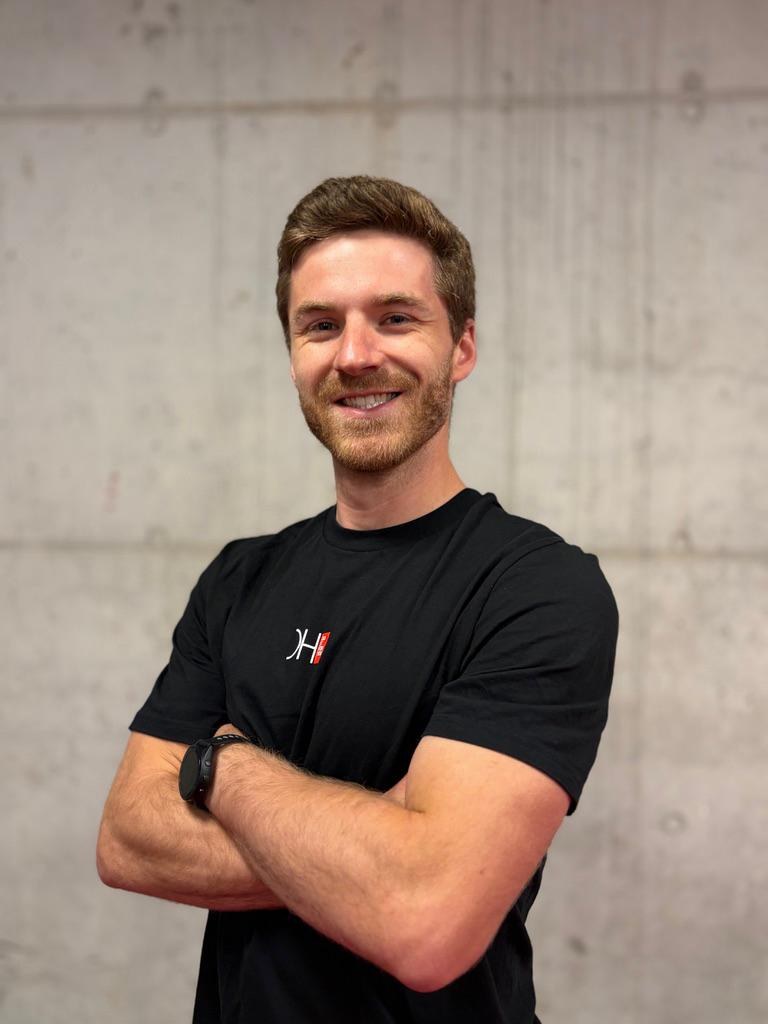
Noé Abeels, sports physiotherapist
Noé Abeels

Background

  • '21Master's in Physiotherapy, UCLouvain
  • '22Trained at La Clinique du Coureur (runner care)
  • '23Advanced Master's — musculoskeletal disorders
  • '24Orthopaedic manual therapy · OMT techniques
  • '26Member of SFMKS — sports physiotherapy
01

The method

A four-step method

Understand — Measure — Correct — Return.

01

Understand

Pain is rarely a purely local problem. It often results from an imbalance between the demands placed on the body and its capacity to withstand them.

The first step is to understand why the injury appeared. The clinical examination is complemented by looking at your history, your training load, your goals and, where relevant, your running gait. This approach identifies the factors that sustain the pain, rather than focusing only on its consequences.

02

Measure

Effective rehabilitation relies on objective data.

Muscle strength is assessed using handheld dynamometry to identify any deficits and track their evolution throughout your care. These measurements complement clinical observations and help guide decisions — in particular, setting the criteria needed for a gradual return to running or sport.

03

Correct

Treatment is not just about making the pain disappear.

The goal is to restore the capacities required for your sport by combining therapeutic exercise, strength work, progressive loading and, where indicated, orthopaedic manual therapy. Each intervention serves a specific purpose and forms part of active, hands-on care.

04

Return

Returning to sport is a full stage of rehabilitation in its own right.

Each return is planned along a progression suited to your situation, with objective criteria to guide how training loads evolve. Whether your goal is to run pain-free, get back to your level or prepare for a competition, the programme is built to support a lasting return while limiting the risk of recurrence.

This process draws on a range of assessment and treatment tools, selected according to your situation and your goals.

02

The tools

Tools to support your progress

Analysis

Running analysis

Observing your gait in real conditions to identify the stresses that may be contributing to your pain.

Measure

Dynamometry

Quantifying your muscle strength, objectifying any deficits and tracking your progress.

Hands

Orthopaedic manual therapy

Improving certain mobilities and reducing pain when this tool is indicated in your care.

What is orthopaedic manual therapy?

Orthopaedic Manual Therapy (OMT) is an advanced specialisation within physiotherapy. Recognised and governed by IFOMPT (International Federation of Orthopaedic Manipulative Physical Therapists), it specifically targets the management of neuro-musculoskeletal conditions: joint, muscle and nerve pain.

It rests on several pillars:

  • In-depth clinical reasoning — the assessment is holistic and seeks the exact biomechanical, neurological and biopsychosocial origin of the problem, rather than treating the symptom alone.
  • Combined approach — it blends advanced manual techniques (joint mobilisations, manipulations) with specific, targeted therapeutic exercise.
  • Evidence-based (EBP) — the treatments and diagnoses applied are backed by the latest scientific and clinical evidence.

Practitioners trained to IFOMPT's strict standards hold high-level expertise for acute and chronic conditions.

Exercise

Therapeutic exercise

Restoring the physical capacities required by the demands of your sport.

Return

Individualised return programmes

Organising a tailored progression of loads through to a full return to your activity.

03

Who for

We'll get along if you're…

An injured runner A cautious beginner Training for 10K / half / marathon A recreational athlete Recovering after surgery Dealing with lingering pain Keen to get going, not just "rest"
04

FAQ

Good to know before you come

Where is the physiotherapy practice in Tervuren?
The practice is located inside the DH Transformation Centre, Steenweg op Brussel 15B, 3080 Tervuren — easily reached from Woluwe-Saint-Pierre, Kraainem, Wezembeek-Oppem, Stockel and the eastern side of Brussels. Get directions.
Do I need a medical referral to book?
A referral from your doctor is recommended for reimbursement by your health insurer (mutuelle), but you can also come for a self-referred assessment. If in doubt, book an appointment and we'll talk it through.
I'm a runner who gets injured often — is this the right place?
Yes — running is the practice's specialty. Tendinopathies, shin splints, knee or hip pain, IT band syndrome, stress fractures: we look for the cause (stride, load, foot strike) rather than simply easing the pain, and we build a gradual return-to-running plan.
Which languages are consultations held in?
Consultations are held in French or English (FR / EN), whichever you prefer.
How do I book an appointment?
Booking is done online in a few clicks via Doctoranytime. You pick the slot that suits you.
05

Practical info

Where to find me

The practice

DH Transformation Centre

Steenweg op Brussel 15B
3080 Tervuren

Directions on Google Maps →

FREN

Opening hours

By appointment

Appointment requests are made online via Doctoranytime. Each slot is confirmed manually, usually within 1 to 2 days, to make sure your time is secured.

Monday11am – 8pm
TuesdayClosed
Wednesday11am – 8pm
Thursday11am – 8pm
Friday11am – 8pm
Saturday8am – 12pm
SundayClosed

Ready to get going again?

Book your first session in a few clicks. We take stock, and we build the plan.

Book on Doctoranytime